
ABOUT US
PFANNER BY THE NUMBERS

100 %
Family-owned since 1856

+5.000
Recipes

+500
Products

5
Production
sites

1.000
Workers
across Europe

160,000 tonnes
Processed in-house

80 %
Export share

€460 MILLION
revenue
100 %
Family-owned since 1856
+5.000
Recipes
+500
Products
5
Production
sites
1.000
Workers
across Europe
160,000 tonnes
Processed in-house
80 %
Export share
€460 MILLION
revenue
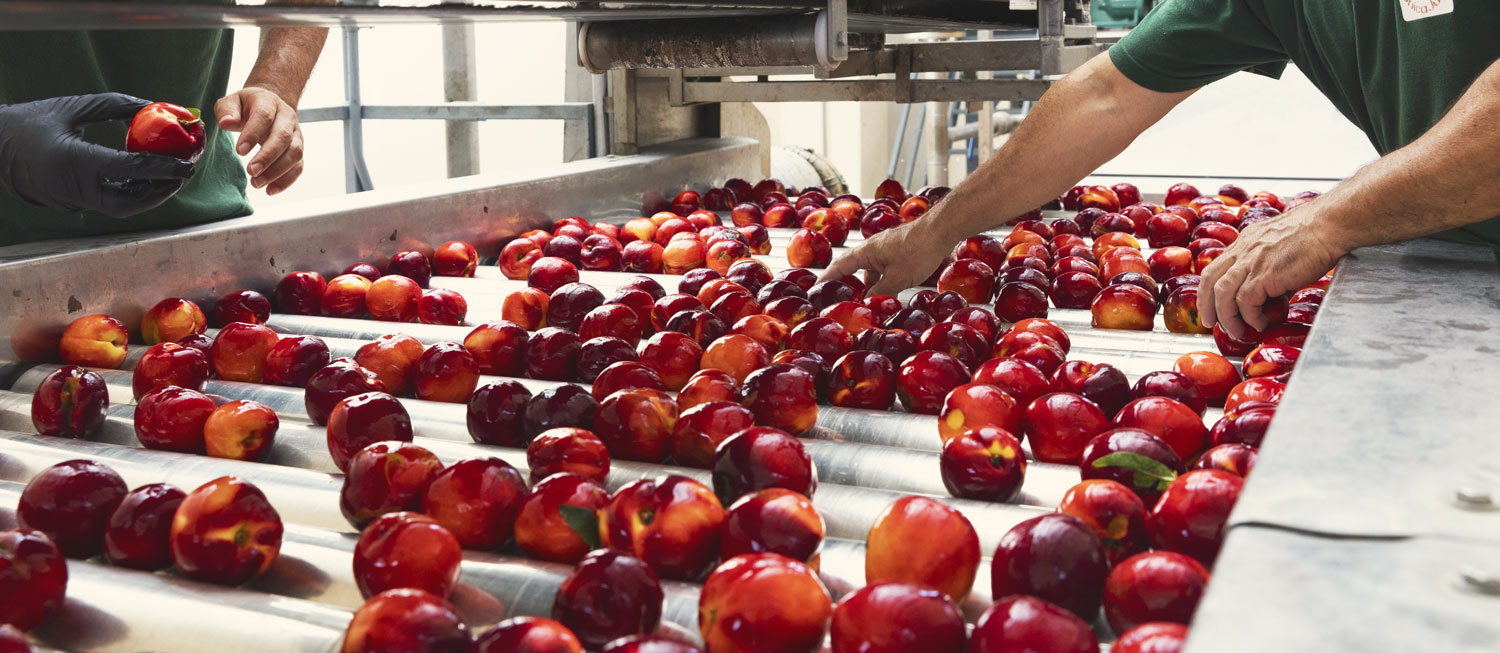

The Pfanner name stands for
…a family, a company, a brand and a philosophy. For generations, we have been committed to making high-quality products from nature’s finest ingredients.
Quality is our top priority at every stage:
The result is Pfanner quality you can taste – and trust.
Innovation and continuous
development
From product innovations and new taste experiences to the continuous development of our range, innovation is at the heart of the Pfanner brand. Over the past 170 years, this commitment has earned Pfanner the trust of millions of consumers.


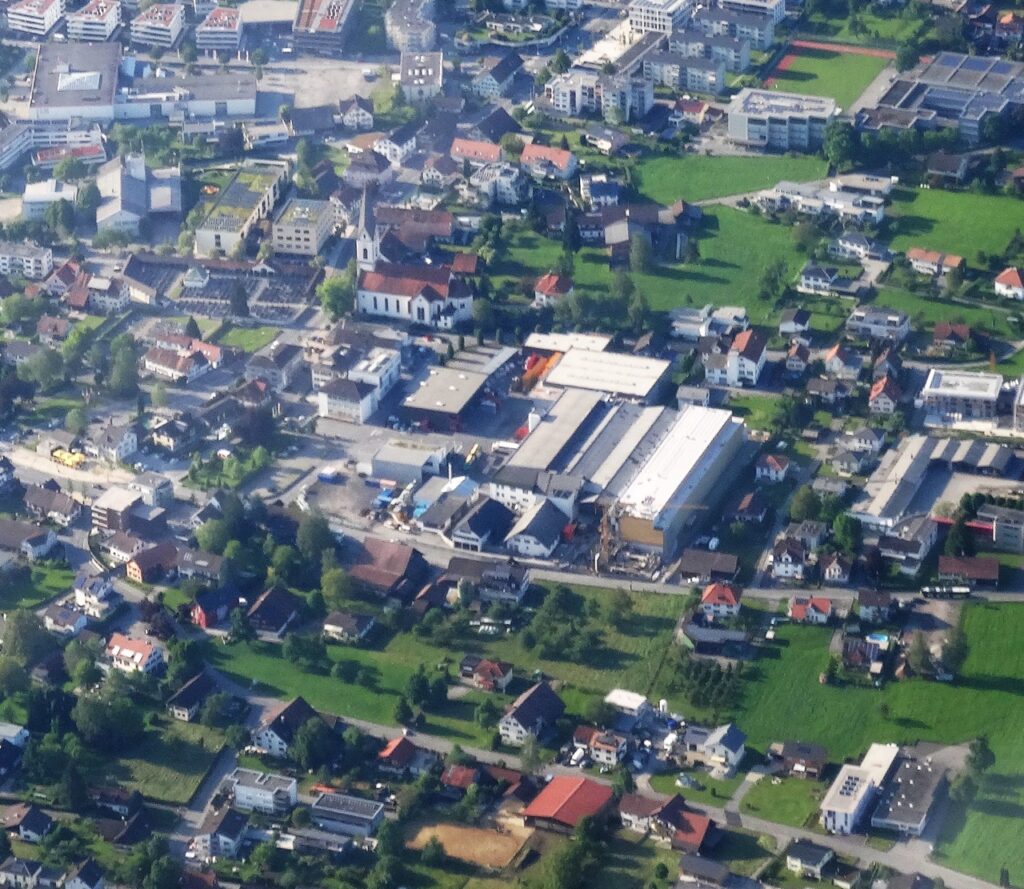
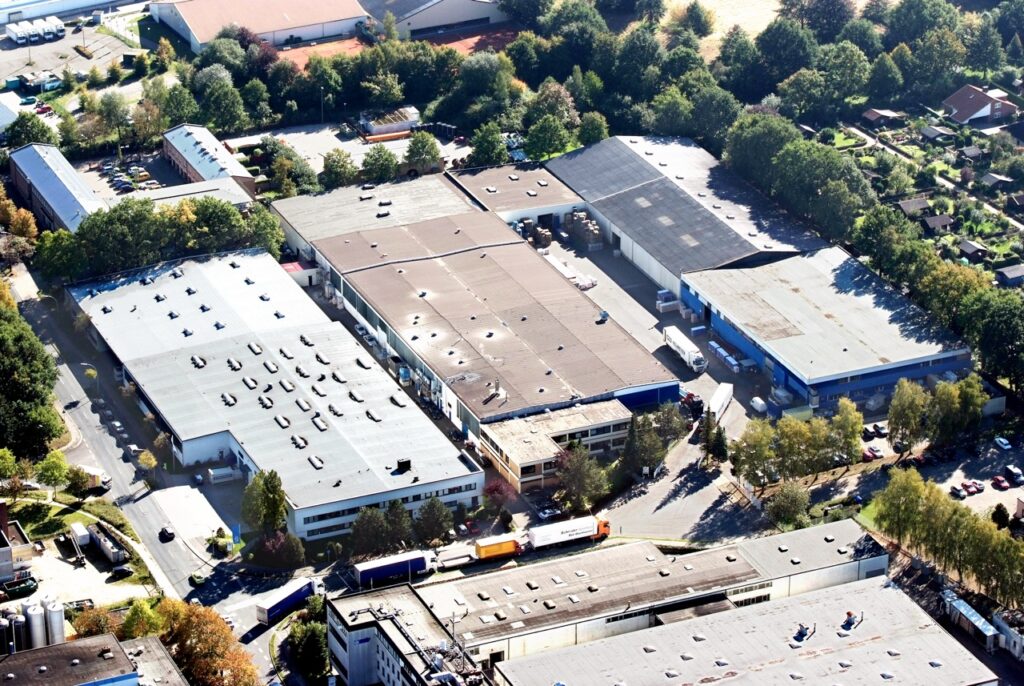
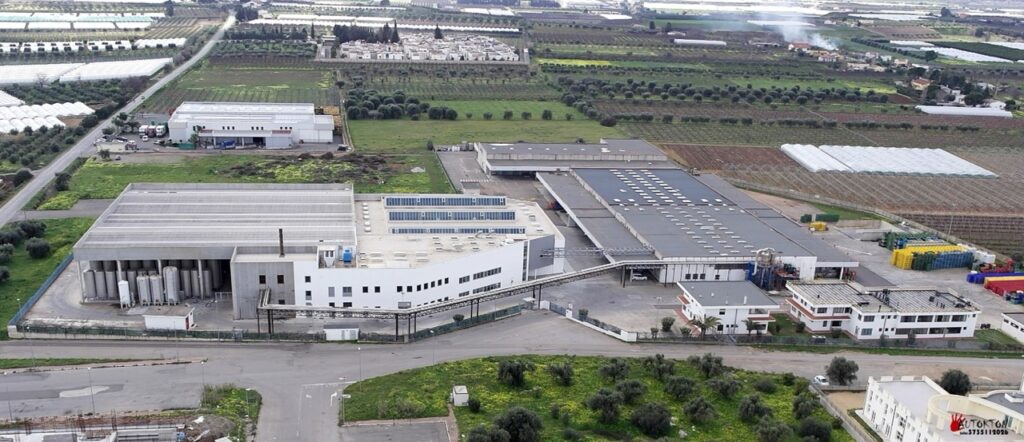
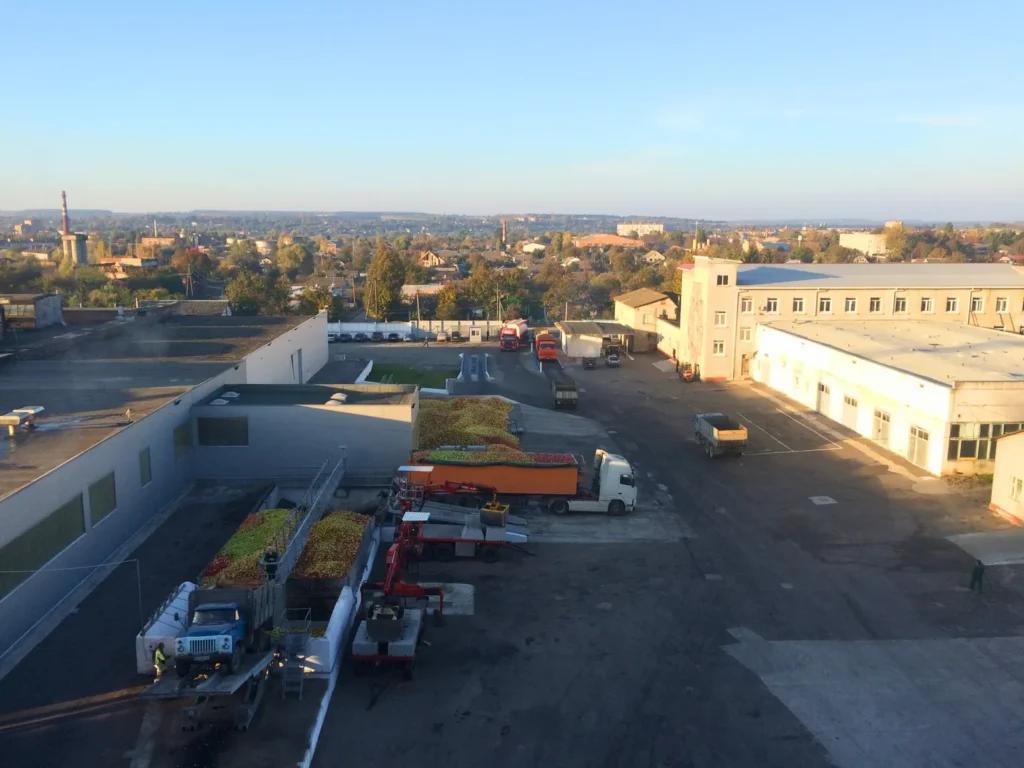
Pfanner Locations
Our Story
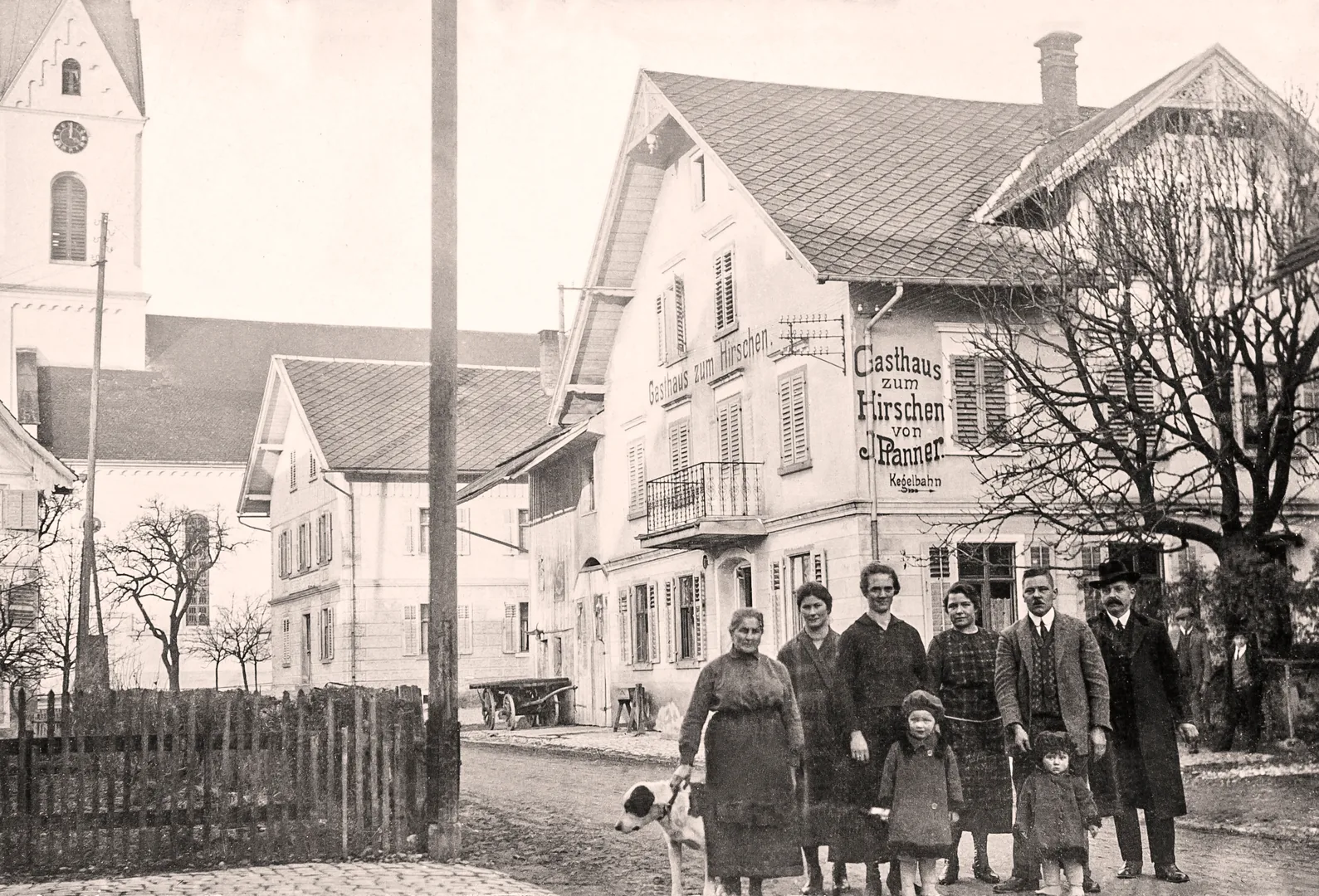


The roots of the Pfanner family business go back to Max Hermann Pfanner and the year 1856 ...
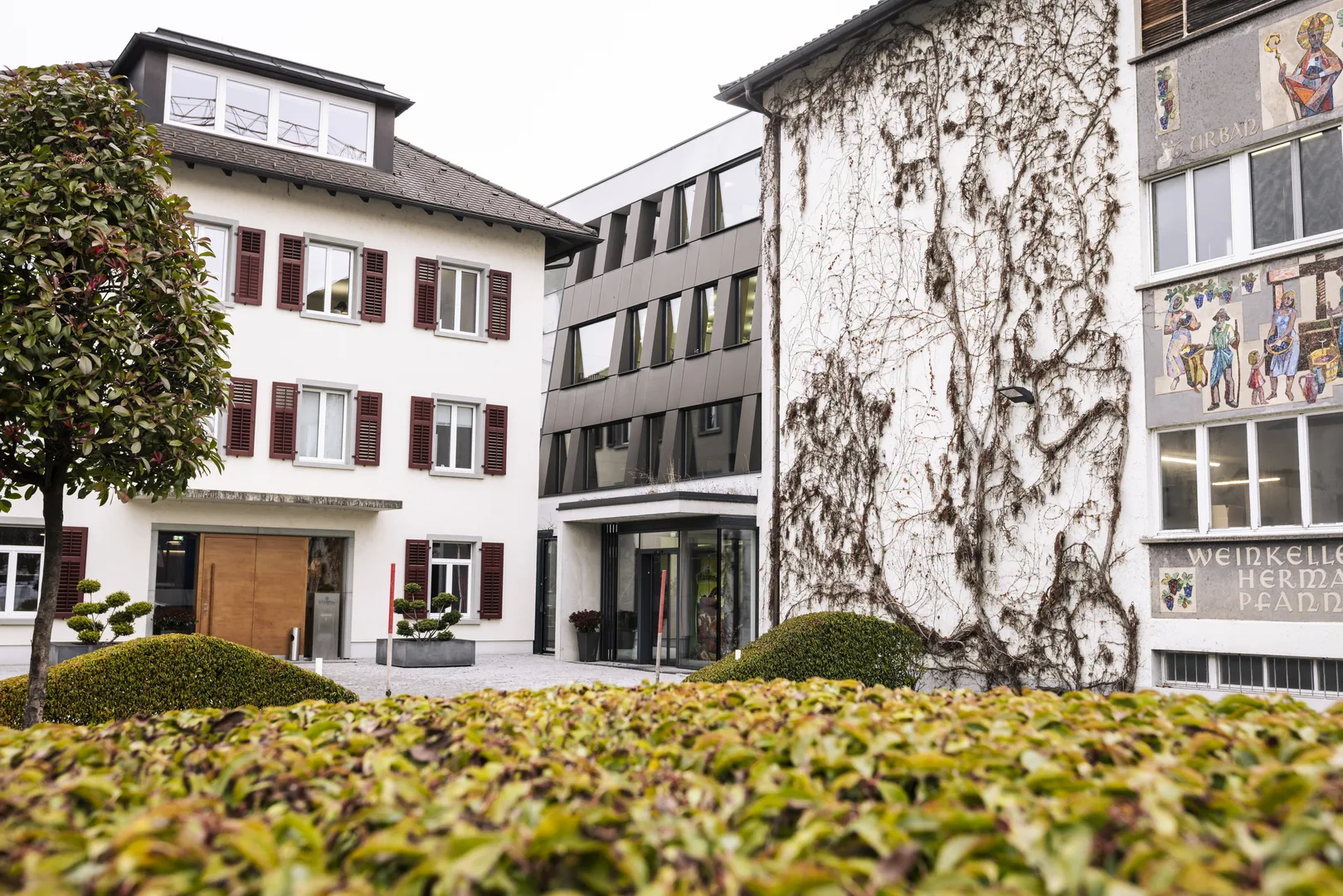
Max Hermann Pfanner purchases the Gasthaus Hirschen in Lauterach, together with its small brewery and distillery. Even then, locally grown fruit – particularly apples and pears – was used to produce spirits. No one at the time could have imagined that the business would one day grow to become one of Europe’s largest apple processors.
In 1919, Hermann Pfanner, Max Hermann’s grandson, takes over the business. Over the following years, he expands into the trade of agricultural produce and wine. This lays the foundations for the company as we know it today, with its focus on producing fruit-based drinks.
In the 1920s, Pfanner begins producing fruit wine and becomes renowned in the region for its fruity Süßmost. Süßmost is essentially freshly pressed juice, usually made from a blend of apples and pears.
The mild climate of the Lake Constance region provides ideal conditions for the many apple trees growing in its traditional meadow orchards. The Pfanner family buys fruit collected by local farmers to produce its fruit wine. The sheer quantity of fresh apples involved is remarkable – particularly given that everything had to be done by hand. The whole family played their part, young and old alike!
Around 1930, Hermann Pfanner begins producing non-alcoholic fresh juice and introduces Austria’s first small-scale pasteurisation system for preservation. The pasteurisation process was developed by Louis Pasteur in 1864. Pasteur discovered that briefly heating food destroys most of the microorganisms it contains without the need for chemicals. This made it possible to turn fresh Süßmost into fruit juice with a longer shelf life.
Hermann Pfanner passes away during a period of economic hardship. With tremendous energy and determination, Ferdinanda Pfanner carries on her husband’s legacy. After the Second World War, their children Hedwig, Hans, Erwin and Egon take over the business as the fourth generation of the family.
Through hard work, careful spending and entrepreneurial ideas – including trading fresh fruit with neighbouring Switzerland – they generate the funds needed to continually invest in developing and improving the company’s technology.
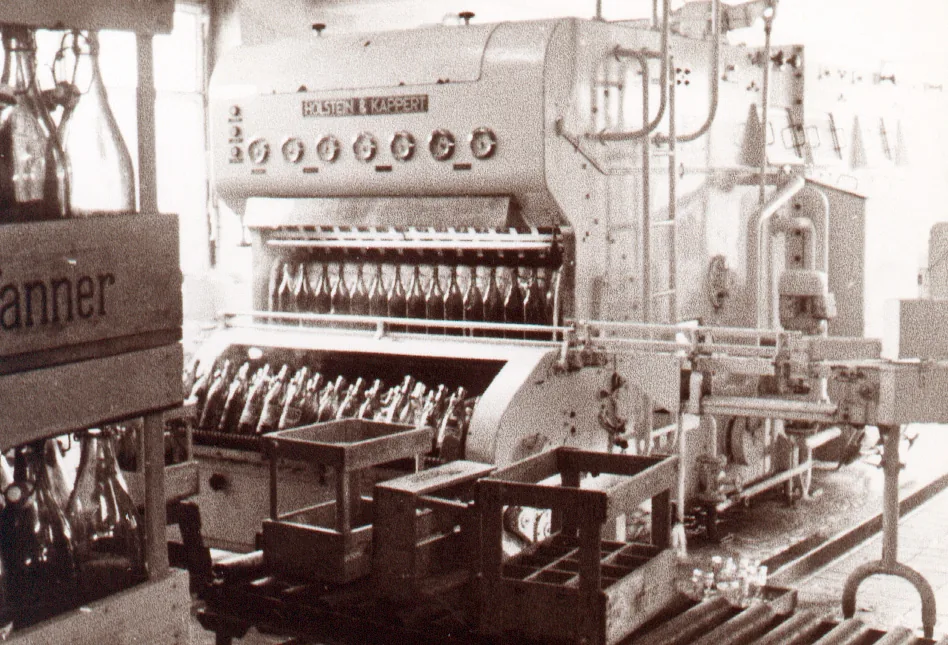
At the time, the juices were bottled in practical swing-top bottles. Pfanner already had a high-capacity bottling line in operation for this purpose. The thick-walled bottles could be washed and refilled time and time again. Long before environmental issues became a major topic in the media, protecting the environment was already important to the Pfanner family.
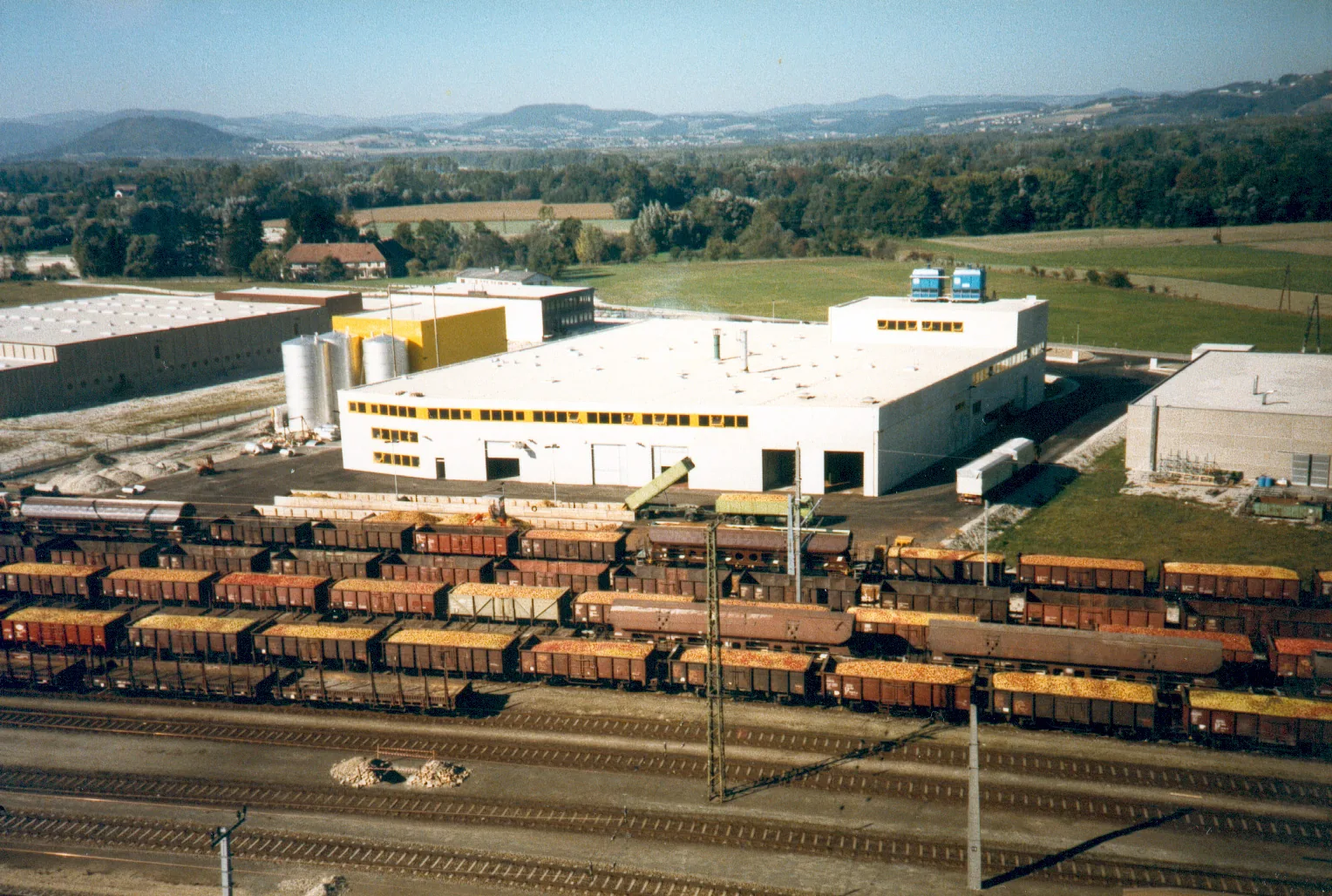
During the 1960s, the company enters a new phase of growth and expands rapidly. Large quantities of apples are needed to supply its export markets, as the photograph illustrates. Fruit is collected throughout Austria and neighbouring countries and transported to the processing plant in entire trains of railway wagons.
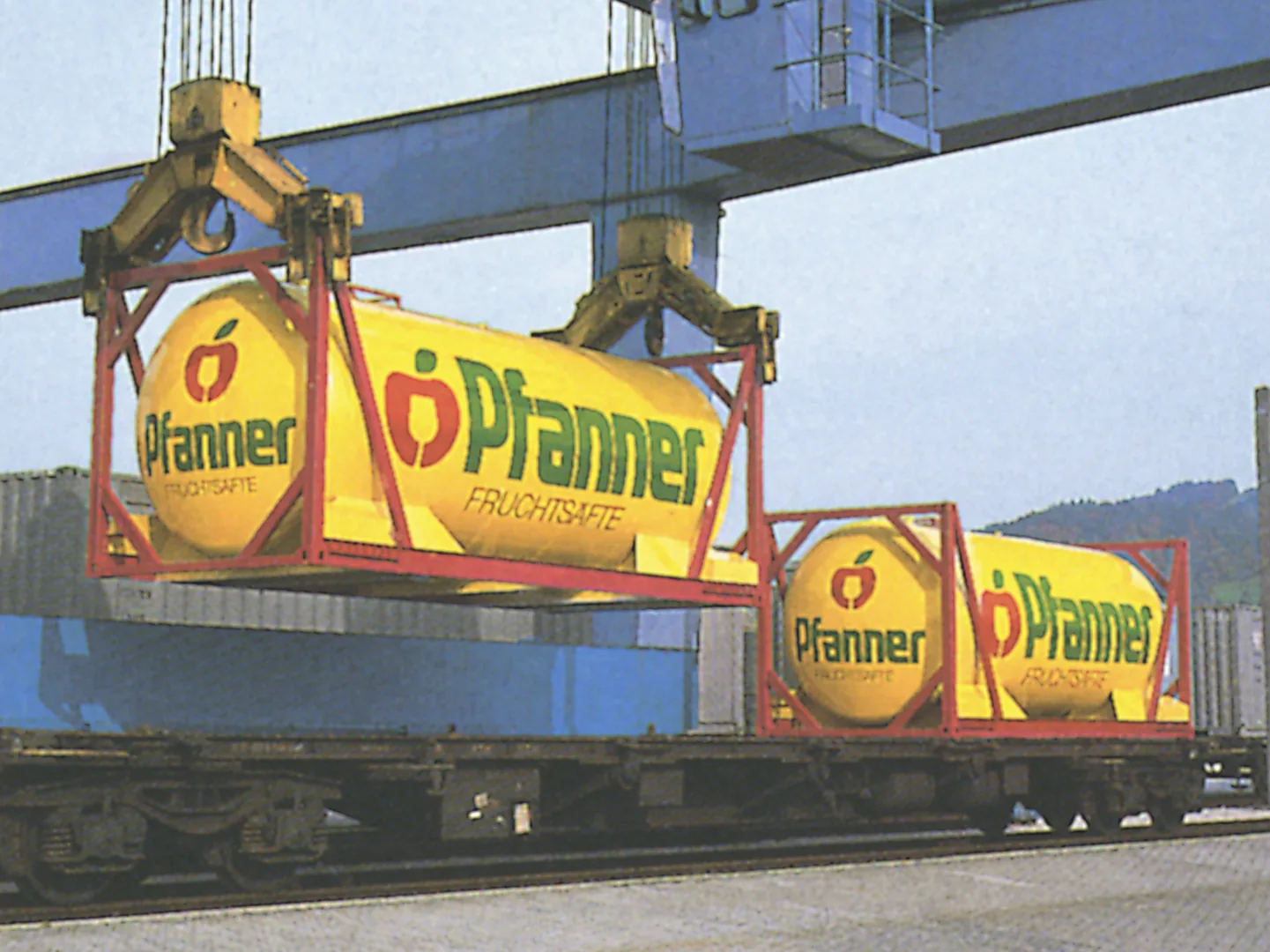
The 1960s also see significant growth in Pfanner’s international fruit juice concentrate business, with concentrates loaded into tanks for export. By this time, Pfanner apple juice concentrate is already in demand as far afield as America.
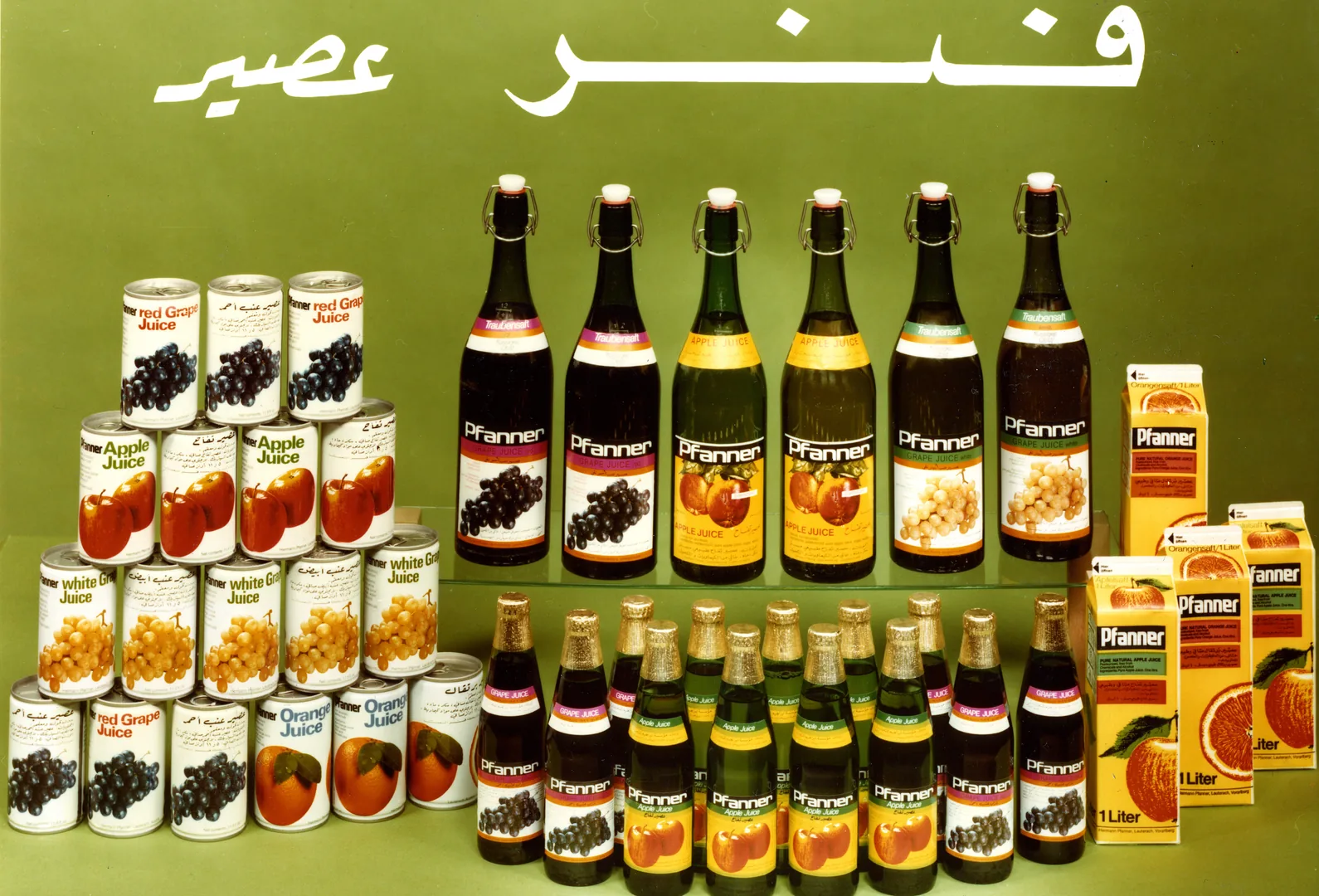
During the 1970s, Pfanner’s business in the Middle East flourishes. Countries including the United Arab Emirates, Saudi Arabia, Kuwait and Qatar are supplied with Pfanner fruit juice from Austria.
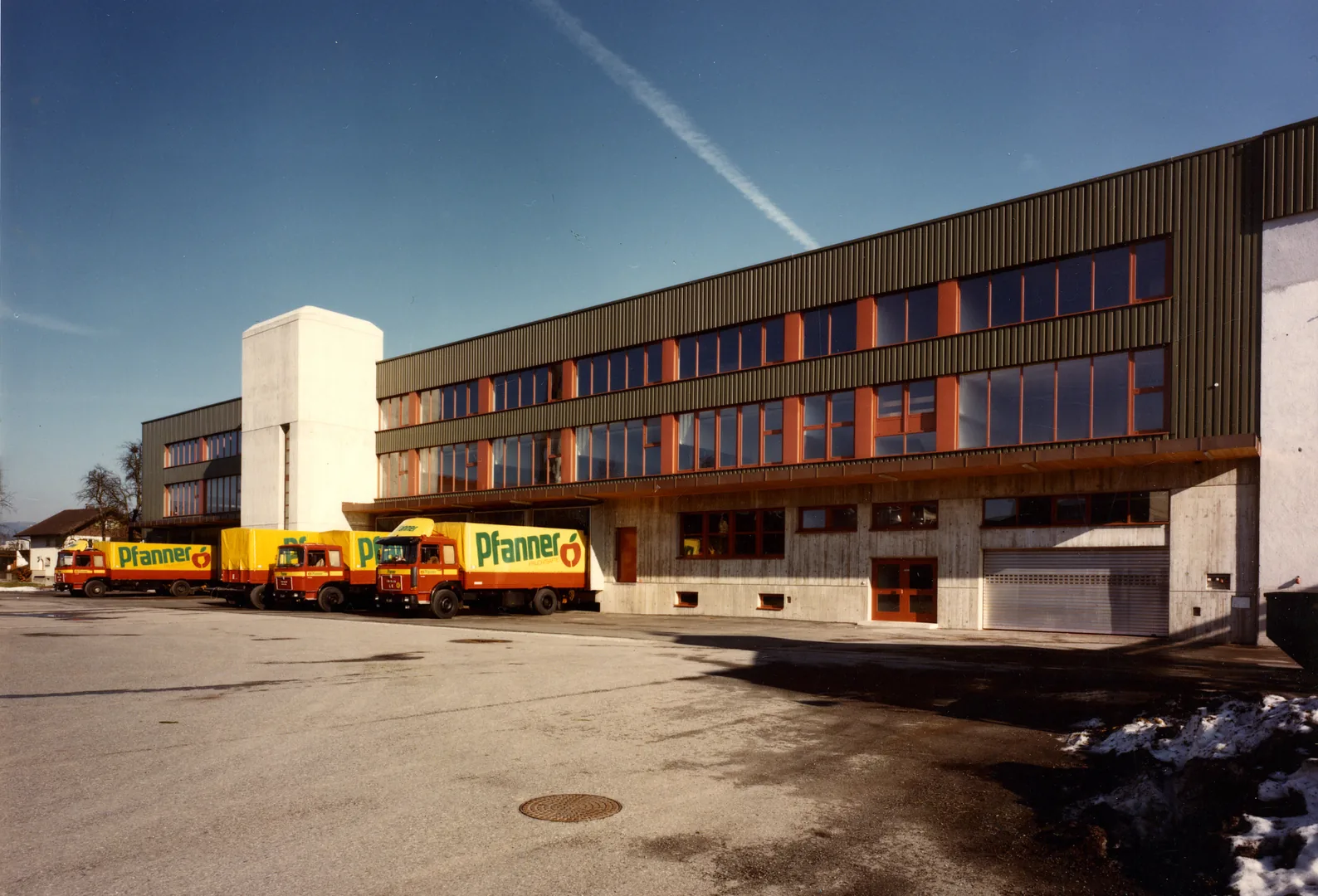
A new production hall is built at Pfanner’s headquarters in Lauterach in 1982. This was Hermann Pfanner’s first major construction project. He remains a shareholder and Technical Managing Director to this day. The investment totalled 20 million Austrian schillings – an enormous sum at the time.
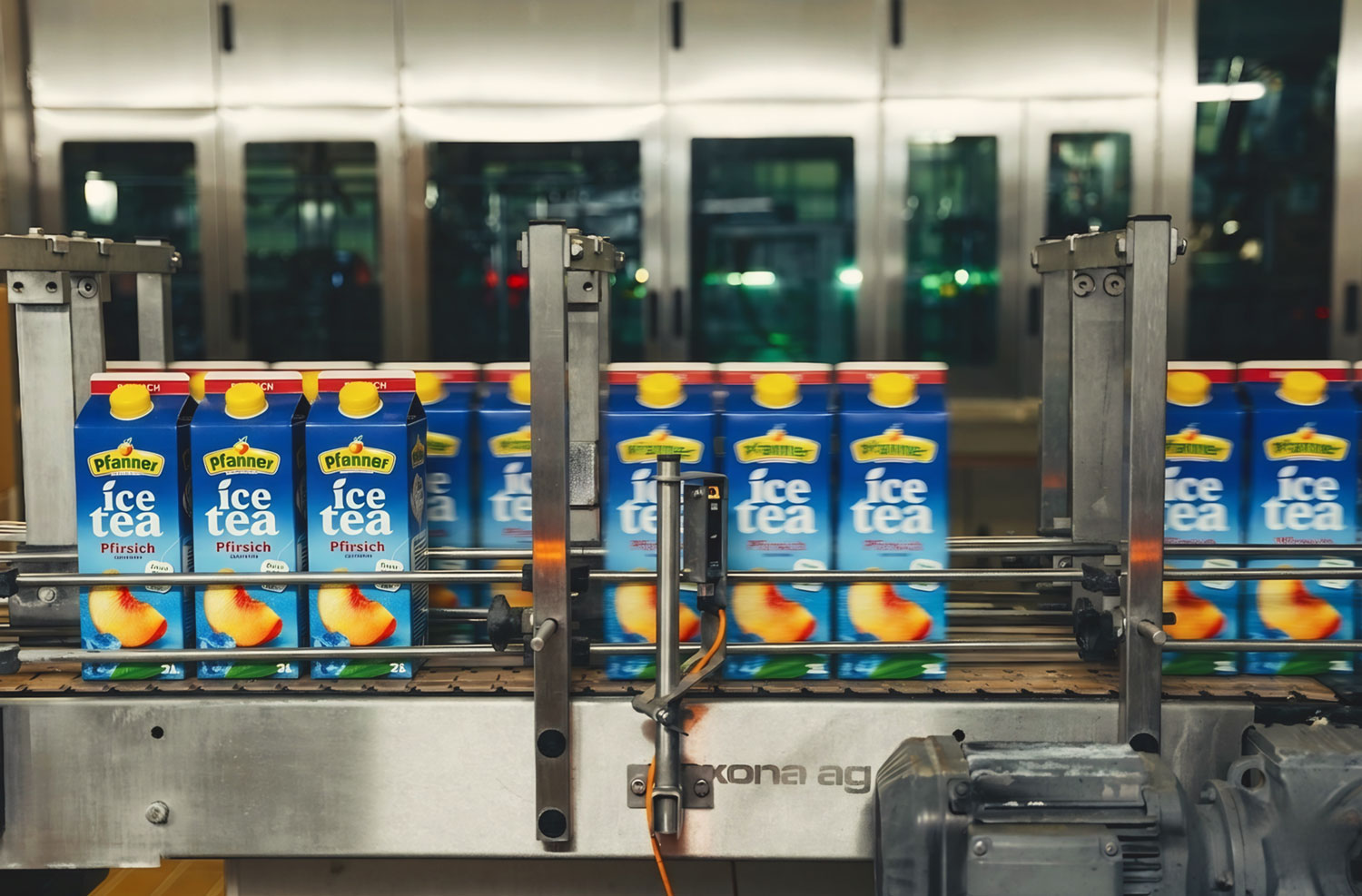
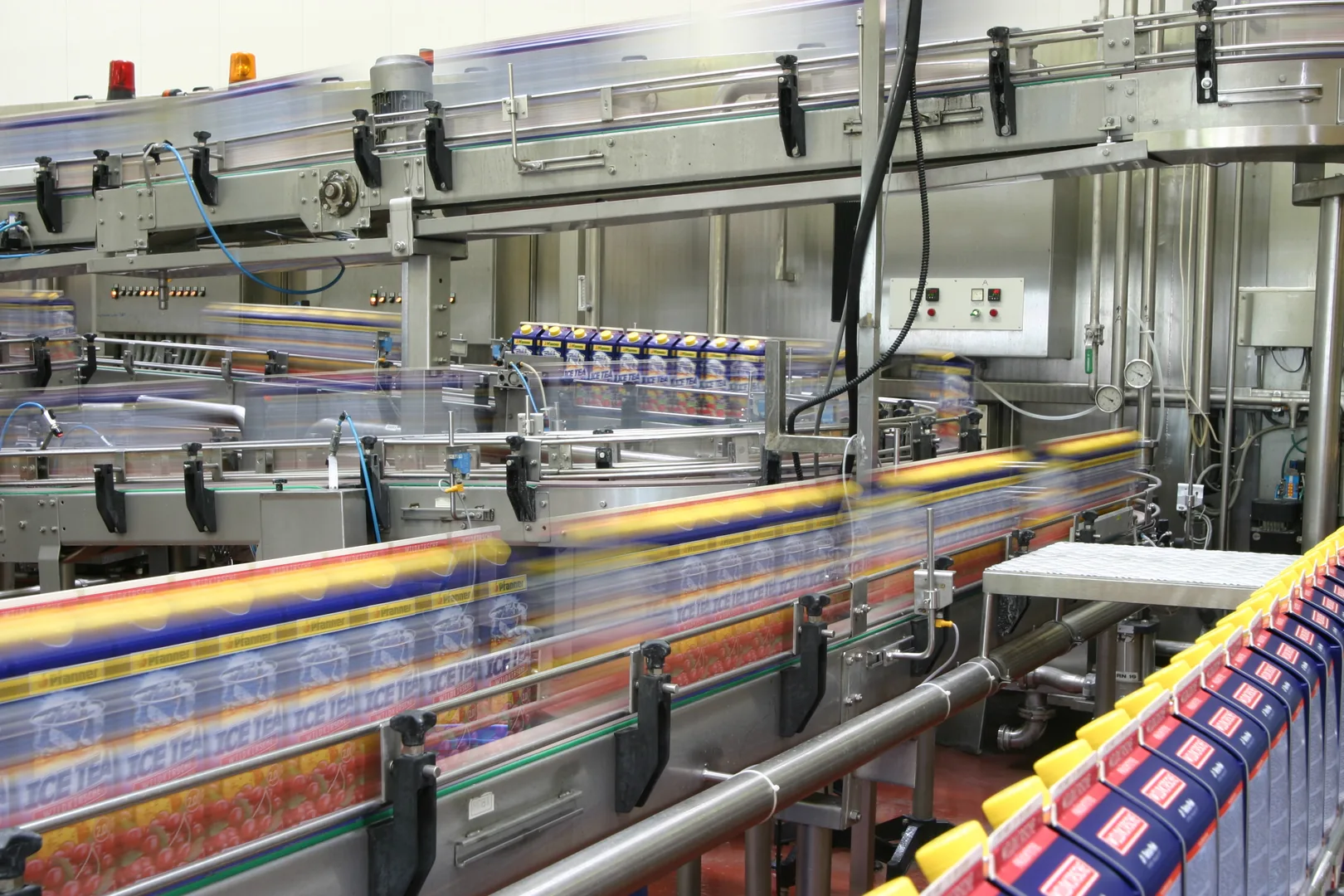
In 1983, Pfanner becomes a pioneer in the production of iced tea. The careful production process has changed very little since then: even today, the tea is still freshly brewed. Pfanner launches the first 2-litre carton with a screw cap, a format that would go on to become the most popular of its kind in Germany.
In 1984, Vice-Chancellor Dr Steger grants the family business the right to bear the Austrian coat of arms. This privilege is reserved for a select number of companies that have made an exceptional contribution to the Austrian economy or achieved an outstanding position within their industry. Hans Pfanner, pictured here with the coat of arms, looks back with pride on his life’s work.
Between 1985 and 1986, Pfanner builds a high-capacity fruit juice concentrate plant in Enns, Upper Austria, close to the region’s fruit-growing areas. Following further investment, the site goes on to become one of the most modern and resource-efficient facilities in the drinks industry.
In 1987, the “Pflückt Euch Pfanner” campaign attracts widespread attention. Billboards are installed across the country and covered with cartons of fruit juice that passers-by can literally “pick” for themselves. The campaign is a huge success. For several weeks, teams head out night after night to restock the billboards after they have been picked bare. Pfanner – a pioneer of guerrilla marketing!
In the early 1990s, Olympic ski jumping champion Toni Innauer becomes the face of Pfanner in a television advert. Innauer broke the ski-flying world record twice. He was the first ski jumper in history to receive five perfect scores of 20 from the judges for a single flight – a 168-metre jump in Oberstdorf on 6 March 1976. As Toni tells us, both ski jumping and making fruit juice take skill…
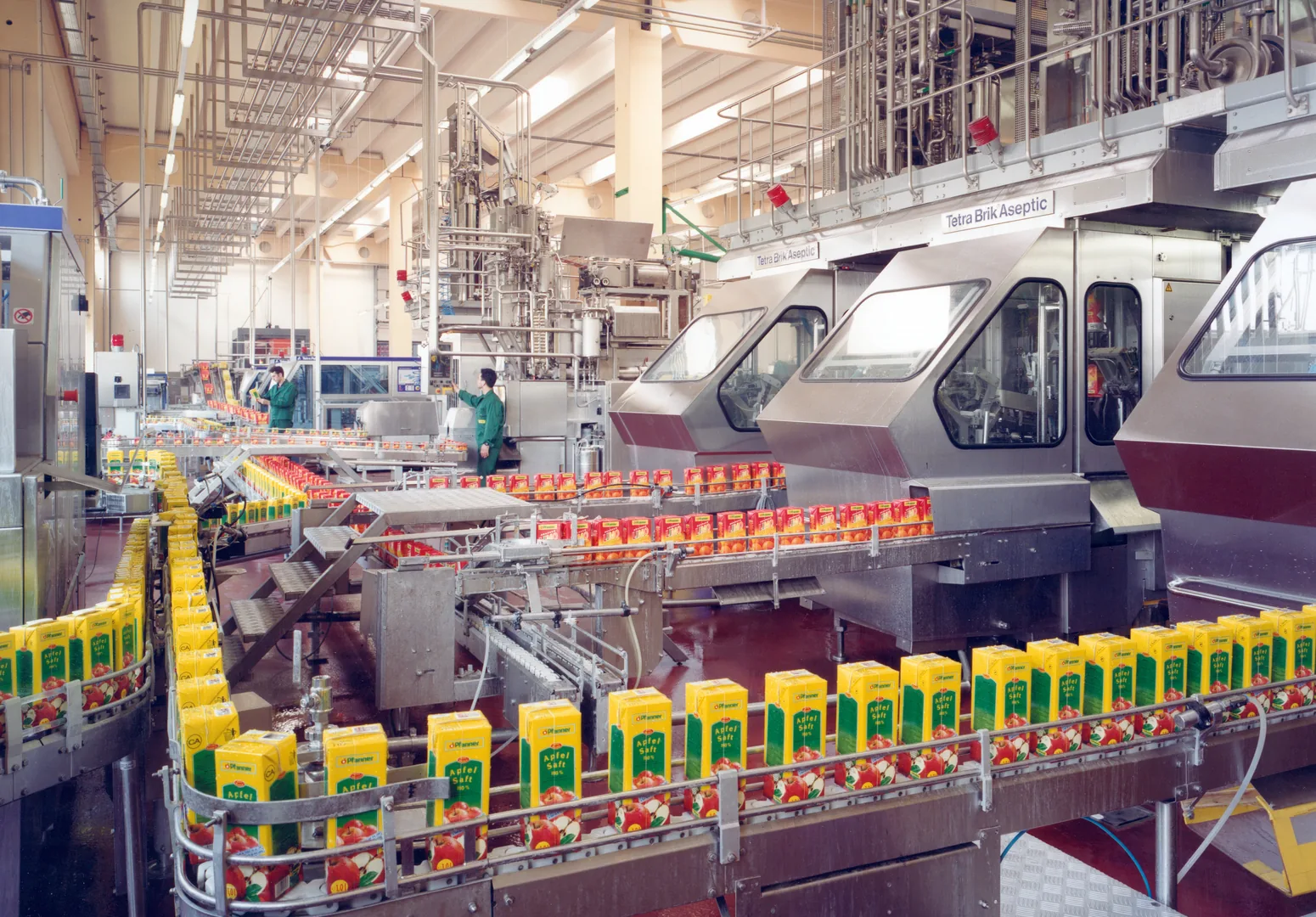
Between 1993 and 1995, Pfanner invests in innovative new packaging systems and builds a second production plant in Enns. Continued investment has seen the site expanded ever since.
In 1999, the Austrian cross-country skiing team competes in Pfanner colours. Botvinov, Gandler, Hofmann and Stadlober win gold at the World Championships in Ramsau.
Iced tea consumption rises sharply in Germany. In 2001, Pfanner begins producing fruit juice and iced tea in Hamburg and goes on to become the German market leader in this segment. In doing so, Pfanner succeeds against some of the world’s biggest players. Also in 2001, Managing Director Mag. Peter Pfanner, representing the fifth generation of the family, appears in a TV advert for the first time. Today, the “Peter Pfanner and the Bear” advert has achieved cult status in Austria. Watch the original video here.
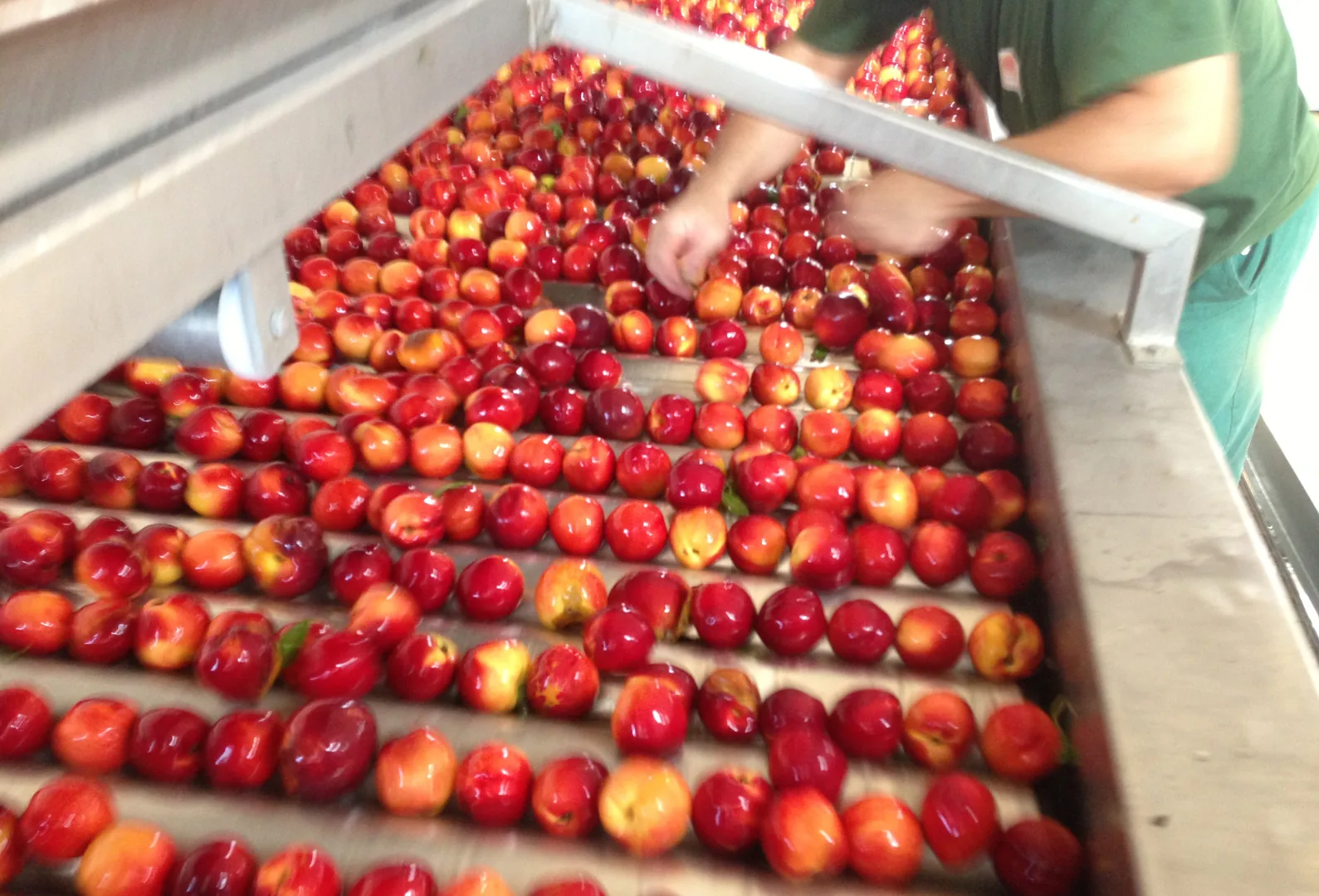
In 2012, Pfanner begins processing fruit in Policoro in southern Italy, where some of the finest peaches, nectarines, apricots and strawberries are grown, with the construction of a new production and filling plant. This allows the sun-ripened fruit to be processed while fresh and the delicious fruit juice varieties to be bottled directly on site.
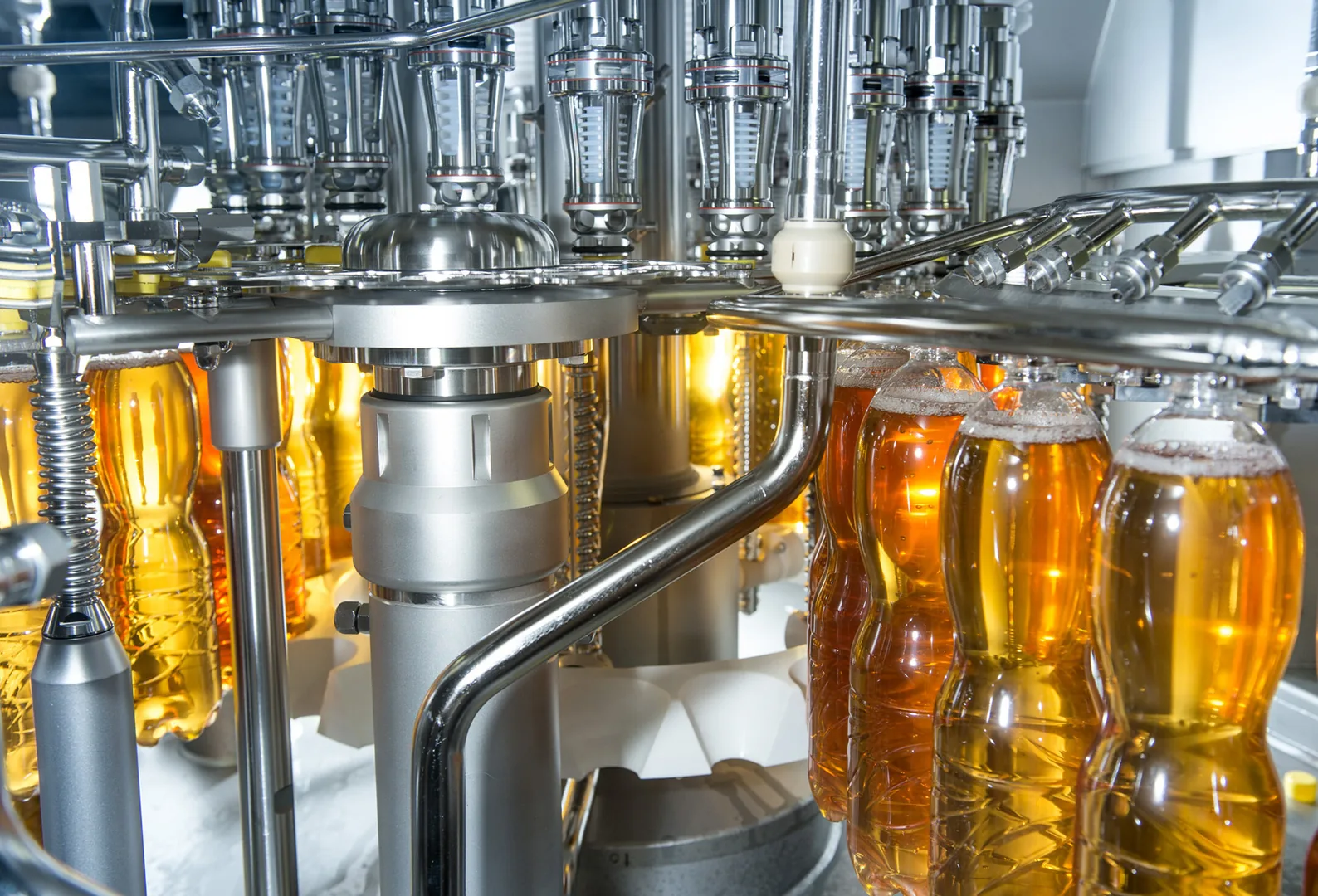
Between 2013 and 2015, Pfanner continues to invest across all its sites, expanding both storage capacity and production facilities. These investments include an aseptic PET line at the Enns site, one of the most advanced of its kind in the world. Aseptic means maintaining levels of cleanliness comparable to an operating theatre. See for yourself in this video.
In 2016, Pfanner invests in a state-of-the-art high-speed filling line from SIG. By switching its 1-litre fruit juice range to the first carton bottle designed to make drinking directly from the pack easy, Pfanner once again demonstrates its innovative approach.
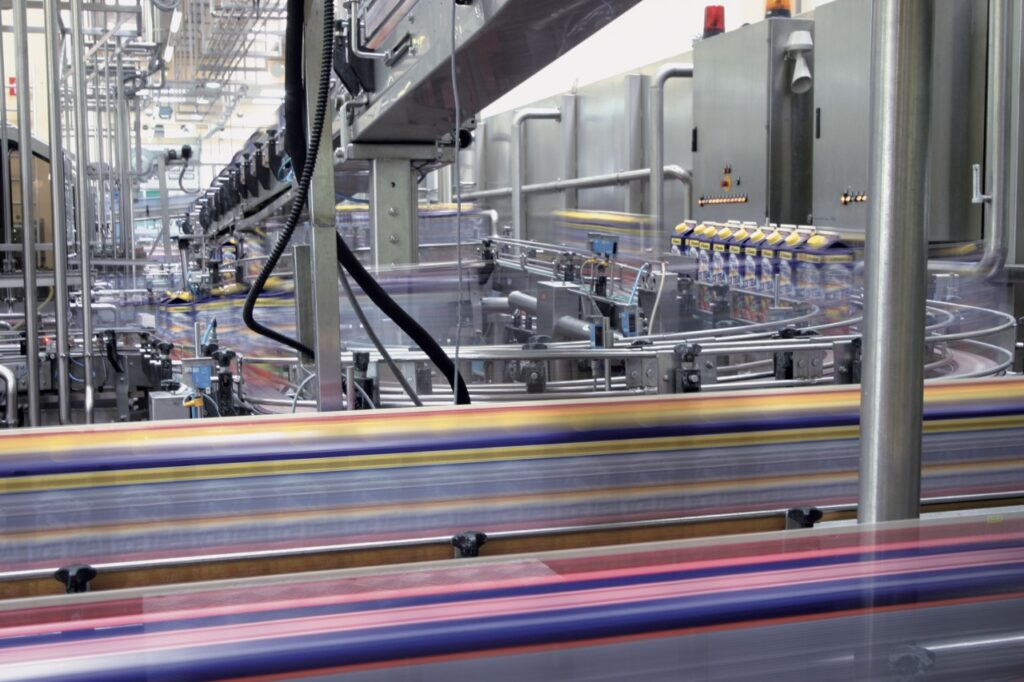
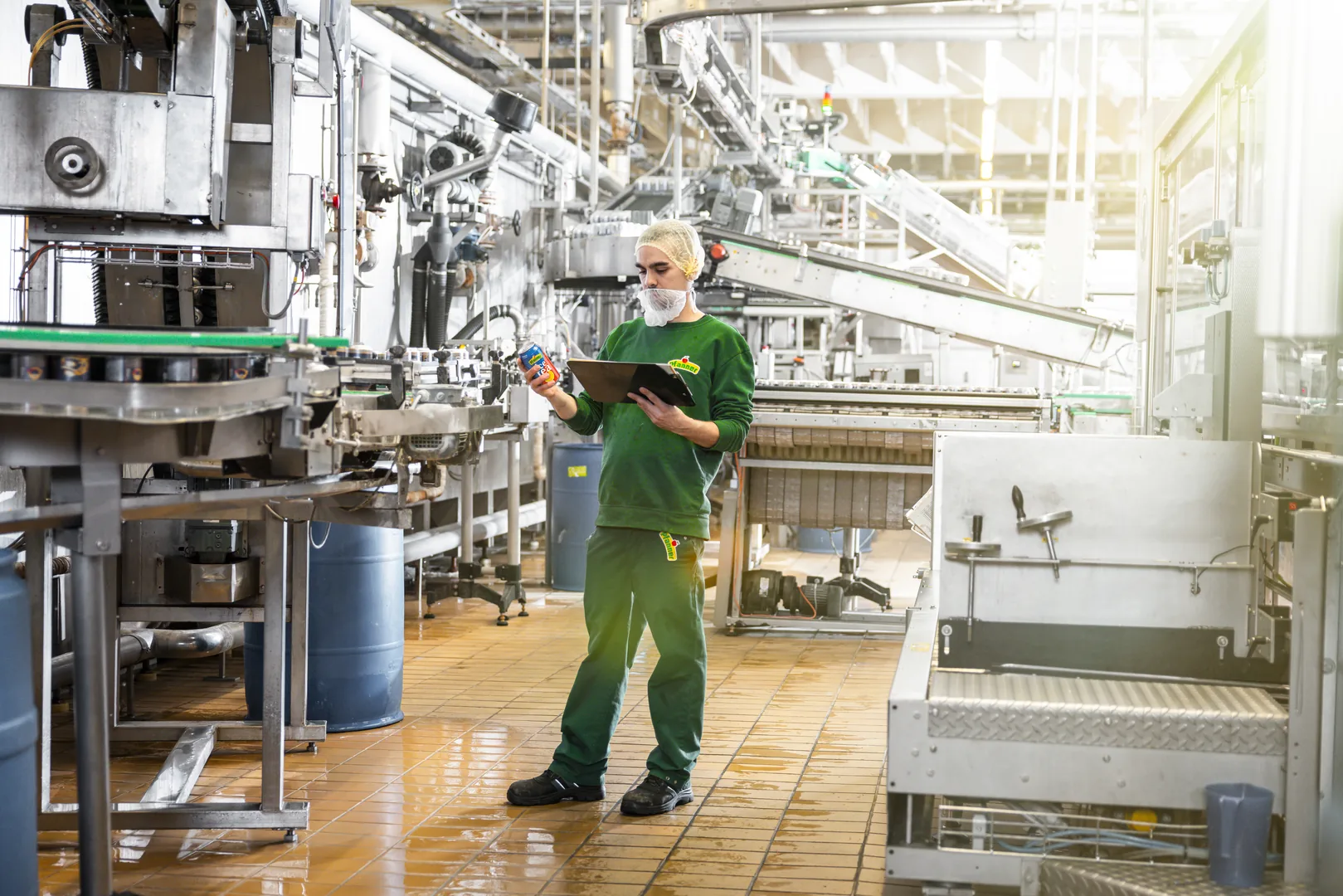
Pfanner expands its Lauterach site with a modern canning line. The new filling line responds to growing demand for drinks in cans while also increasing production capacity and flexibility. The investment underlines Pfanner’s continued commitment to innovation and quality.
Today, the family remains actively involved in this internationally successful, independent company with a long tradition. Pfanner remains 100% family-owned, with the Pfanner, Schneider and Dietrich families owning the business and managing it together with an external management team. That’s the story so far. Now it’s time to start writing the future…
1856 - Founding
The roots of the Pfanner family business go back to Max Hermann Pfanner and the year 1856 ...
Max Hermann Pfanner purchases the Gasthaus Hirschen in Lauterach, together with its small brewery and distillery. Even then, locally grown fruit – particularly apples and pears – was used to produce spirits. No one at the time could have imagined that the business would one day grow to become one of Europe’s largest apple processors.
In 1919, Hermann Pfanner, Max Hermann’s grandson, takes over the business. Over the following years, he expands into the trade of agricultural produce and wine. This lays the foundations for the company as we know it today, with its focus on producing fruit-based drinks.
In the 1920s, Pfanner begins producing fruit wine and becomes renowned in the region for its fruity Süßmost. Süßmost is essentially freshly pressed juice, usually made from a blend of apples and pears.
The mild climate of the Lake Constance region provides ideal conditions for the many apple trees growing in its traditional meadow orchards. The Pfanner family buys fruit collected by local farmers to produce its fruit wine. The sheer quantity of fresh apples involved is remarkable – particularly given that everything had to be done by hand. The whole family played their part, young and old alike!
1930
Around 1930, Hermann Pfanner begins producing non-alcoholic fresh juice and introduces Austria’s first small-scale pasteurisation system for preservation. The pasteurisation process was developed by Louis Pasteur in 1864. Pasteur discovered that briefly heating food destroys most of the microorganisms it contains without the need for chemicals. This made it possible to turn fresh Süßmost into fruit juice with a longer shelf life.
Hermann Pfanner passes away during a period of economic hardship. With tremendous energy and determination, Ferdinanda Pfanner carries on her husband’s legacy. After the Second World War, their children Hedwig, Hans, Erwin and Egon take over the business as the fourth generation of the family.
1949 to 1954
Through hard work, careful spending and entrepreneurial ideas – including trading fresh fruit with neighbouring Switzerland – they generate the funds needed to continually invest in developing and improving the company’s technology.
At the time, the juices were bottled in practical swing-top bottles. Pfanner already had a high-capacity bottling line in operation for this purpose. The thick-walled bottles could be washed and refilled time and time again. Long before environmental issues became a major topic in the media, protecting the environment was already important to the Pfanner family.
1960s
During the 1960s, the company enters a new phase of growth and expands rapidly. Large quantities of apples are needed to supply its export markets, as the photograph illustrates. Fruit is collected throughout Austria and neighbouring countries and transported to the processing plant in entire trains of railway wagons.
The 1960s also see significant growth in Pfanner’s international fruit juice concentrate business, with concentrates loaded into tanks for export. By this time, Pfanner apple juice concentrate is already in demand as far afield as America.
1970s
During the 1970s, Pfanner’s business in the Middle East flourishes. Countries including the United Arab Emirates, Saudi Arabia, Kuwait and Qatar are supplied with Pfanner fruit juice from Austria.
1980s
A new production hall is built at Pfanner’s headquarters in Lauterach in 1982. This was Hermann Pfanner’s first major construction project. He remains a shareholder and Technical Managing Director to this day. The investment totalled 20 million Austrian schillings – an enormous sum at the time.
In 1983, Pfanner becomes a pioneer in the production of iced tea. The careful production process has changed very little since then: even today, the tea is still freshly brewed. Pfanner launches the first 2-litre carton with a screw cap, a format that would go on to become the most popular of its kind in Germany.
In 1984, Vice-Chancellor Dr Steger grants the family business the right to bear the Austrian coat of arms. This privilege is reserved for a select number of companies that have made an exceptional contribution to the Austrian economy or achieved an outstanding position within their industry. Hans Pfanner, pictured here with the coat of arms, looks back with pride on his life’s work.
1985 to 1986
Between 1985 and 1986, Pfanner builds a high-capacity fruit juice concentrate plant in Enns, Upper Austria, close to the region’s fruit-growing areas. Following further investment, the site goes on to become one of the most modern and resource-efficient facilities in the drinks industry.
In 1987, the “Pflückt Euch Pfanner” campaign attracts widespread attention. Billboards are installed across the country and covered with cartons of fruit juice that passers-by can literally “pick” for themselves. The campaign is a huge success. For several weeks, teams head out night after night to restock the billboards after they have been picked bare. Pfanner – a pioneer of guerrilla marketing!
1990s
In the early 1990s, Olympic ski jumping champion Toni Innauer becomes the face of Pfanner in a television advert. Innauer broke the ski-flying world record twice. He was the first ski jumper in history to receive five perfect scores of 20 from the judges for a single flight – a 168-metre jump in Oberstdorf on 6 March 1976. As Toni tells us, both ski jumping and making fruit juice take skill…
Between 1993 and 1995, Pfanner invests in innovative new packaging systems and builds a second production plant in Enns. Continued investment has seen the site expanded ever since.
In 1999, the Austrian cross-country skiing team competes in Pfanner colours. Botvinov, Gandler, Hofmann and Stadlober win gold at the World Championships in Ramsau.
2001
Iced tea consumption rises sharply in Germany. In 2001, Pfanner begins producing fruit juice and iced tea in Hamburg and goes on to become the German market leader in this segment. In doing so, Pfanner succeeds against some of the world’s biggest players. Also in 2001, Managing Director Mag. Peter Pfanner, representing the fifth generation of the family, appears in a TV advert for the first time. Today, the “Peter Pfanner and the Bear” advert has achieved cult status in Austria. Watch the original video here.
2012
In 2012, Pfanner begins processing fruit in Policoro in southern Italy, where some of the finest peaches, nectarines, apricots and strawberries are grown, with the construction of a new production and filling plant. This allows the sun-ripened fruit to be processed while fresh and the delicious fruit juice varieties to be bottled directly on site.
2013 to 2016
Between 2013 and 2015, Pfanner continues to invest across all its sites, expanding both storage capacity and production facilities. These investments include an aseptic PET line at the Enns site, one of the most advanced of its kind in the world. Aseptic means maintaining levels of cleanliness comparable to an operating theatre. See for yourself in this video.
In 2016, Pfanner invests in a state-of-the-art high-speed filling line from SIG. By switching its 1-litre fruit juice range to the first carton bottle designed to make drinking directly from the pack easy, Pfanner once again demonstrates its innovative approach.
2026
Pfanner expands its Lauterach site with a modern canning line. The new filling line responds to growing demand for drinks in cans while also increasing production capacity and flexibility. The investment underlines Pfanner’s continued commitment to innovation and quality.
2026 - Today
Today, the family remains actively involved in this internationally successful, independent company with a long tradition. Pfanner remains 100% family-owned, with the Pfanner, Schneider and Dietrich families owning the business and managing it together with an external management team. That’s the story so far. Now it’s time to start writing the future…